
Istanbul Transportation Guide (2026)
- Published Date
- 01 May 2026, 17:34
Tour Organizer
- Published Date
- 01 May 2026, 17:34
- Category
- Blogs
General overview
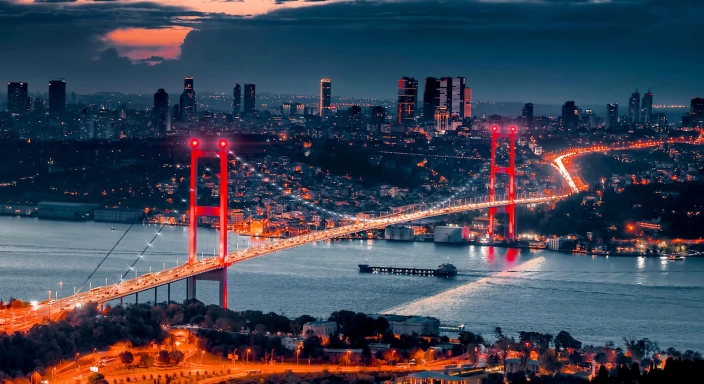
Istanbul is a huge city spread across two continents European & Asian sides). The transportation system is strong, but your experience depends a lot on traffic and time of day.
Most visitors use a mix of:
- Road-based transport for flexibility (bus, Metrobüs, taxi/private transfers)
- Rail-based transport for speed (metro + other rail connections)
- Sea-based transport for comfort and views (public ferries, sea taxi, private boats/yachts)
A simple rule:
- Fastest and most predictable: rail + Marmaray connections
- Most scenic (and often “traffic-free”): ferries
- Most comfortable door-to-door: taxi/private transfer (but traffic can be heavy)
Roadway transportation
Bus (public city buses)
Buses reach almost everywhere and are useful for areas that donʼt have metro nearby. They can be slow during rush hours due to traffic.
Good for:
- Short local connections
- Reaching neighborhoods away from rail lines
Tips:
- Avoid peak traffic hours if possible (typically Mon–Fri, 07:30-10:00 and 17:00-20:00)
- Weekends can also get busy midday/afternoon in tourist areas (roughly 12:00-19:00)
- Check live bus routes and arrival times on İETT: https://iett.istanbul/
- Have a navigation app ready so you donʼt miss your stop
Metrobüs (BRT – bus rapid transit)
Metrobüs is a high-capacity bus system that runs on dedicated lanes on major corridors. Itʼs one of the fastest ways to travel long distances by road because it avoids most traffic.
Good for:
- Cross-city trips on main arteries
- Crossing between continents European ↔ Asian) efficiently, especially if thatʼs your main goal
- Fast commuting during busy times
Tips:
- It can be very crowded at peak hours (typically Mon–Fri, 07:30-10:00 and 17:00-20:00)
- Weekends and match/event days can also get very busy, especially midday/afternoon
- Check Metrobüs routes and stops on İETT: https://iett.istanbul/icerik/metrobus-hatlari
Taxi transportation
Taxis can be convenient, but traffic, route choice, and pricing misunderstandings can happen—especially for visitors.
Private transportation (standard taxi / private car)
Good for:
- Door-to-door travel
- Late night travel
- Traveling with luggage
Tips:
- Confirm the destination clearly before starting
- Prefer using official apps / hotel-arranged rides
- If you want a smoother door-to-door experience, our company can also arrange transportation for you (private car / transfer) LINK WILL BE ADDED LATER
- Ask for the meter to be used (where applicable) and request a receipt if needed
Large group transportation (under “taxi/private”)
For families or groups, private vans / minibuses can be more comfortable than taking multiple taxis.
Good for:
- Airport transfers for groups
- Full-day private tours
- Hotel-to-pier transfers (useful when connecting to ferries)
Tips:
- Confirm vehicle size, pickup point, waiting time policy, and luggage capacity in advance
- If youʼd rather not coordinate this yourself, our company can also arrange group transportation (private van / minibus) ISTANBUL TRANSFER
Railway transportation
Metro (and connected rail lines)
The metro network is the backbone for fast city travel. Itʼs usually the most predictable option during rush hours.
Good for:
- Moving between major hubs
- Avoiding road traffic
Tips:
- Keep your route simple: choose trips with fewer transfers
- Save an offline screenshot of the rail map as backup. You can check the map below
Tram lines
Trams are a great option for getting around central areas. Theyʼre usually easier than buses in dense neighborhoods because they run on fixed tracks and have clear stops.
Good for:
- Short-to-medium trips in central districts
- Visiting major sights along established corridors (often easier than driving)
- Old City and sightseeing areas (for example; Sultanahmet, Eminönü, Galataport and nearby historic sites)
- Connecting to metro/ferry hubs via interchange stations
Tips:
- Expect crowding during commuting hours (typically Mon–Fri, 07:30-10:00 and 17:00-20:00)
- Keep an eye on stop names and direction, since some lines have branches or different terminal points
- For planning, check the official rail network https://www.metro.istanbul/
Funicular (İstiklal ↔ Karaköy)
The funicular is a quick and historic connector between İstiklal Taksim/Beyoğlu area) and Karaköy (waterfront and ferry/tram connections). It is especially useful to avoid the steep walk between the two areas.
Good for:
- Fast up/down connection between Karaköy and Istiklal without climbing
- Linking the Galata/Karaköy area with the Beyoğlu–İstiklal side
- Combining tram + ferry + walking routes more easily
Tips:
- It can get crowded in the evenings and on weekends
- Keep your Istanbulkart ready and follow station signage for the correct direction
- Check the official site for Finicular: https://www.metro.istanbul/Hatlarimiz/HatDetay?hat=F1
Railways (Marmaray) (incl. cross-continental connections)
Istanbul has rail connections that help you cross between the European and Asian sides and reach further suburban areas.
Good for:
- Cross-city / longer-distance urban travel
- Reliable timing compared to road traffic
Tips:
- Expect the busiest crowding on weekdays during rush hours (roughly 07:30-10:00 and 17:00-20:00), especially at major interchange stations
- Save an offline screenshot of the rail map as backup. You can check the map below
https://www.metro.istanbul/Content/assets/uploaded/İstanbul Raylı Sistemler Haritası.pdf
Seaway transportation
Public ferry
Public ferries are one of the best parts of Istanbul. Theyʼre scenic, comfortable, and often faster than driving across congested areas.
Good for:
- Crossing the Bosphorus European ↔ Asian)
- Enjoying the city views
- Reaching the Princesʼ Islands Adalar
Tips:
- Check the timetable for seasonal changes (winter vs summer)
Special note (private fixed-route ferry companies):
Beyond the state-owned/city ferry operators, there are also private companies running stable, fixed routes on specific corridors—especially trips to the PrincesʼIslands Adalar. Common examples include Mavi Marmara, Turyol, Dentur Avrasya, and Prenstur.
- These services are not the same as city ferry routes. They often focus on particular departure piers and island stops.
- Always check the exact route and stops for the company you choose, because each operator can have different piers, schedules, and seasonal changes.
Common fixed-route patterns (where these operators typically run):
- Mavi Marmara (official site: https://mavimarmara.net/)
- Bostancı ↔ Adalar services, with stops depending on the specific sailing (commonly Heybeliada and Büyükada, and also lines serving Burgazada and Kınalıada). The company publishes route-based timetables under “Tarifeler”.
- They also publish a separate timetable document for Beşiktaş / Kabataş / Eminönü ↔ Adalar routes Heybeliada & Büyükada).
- Turyol (official site: https://www.turyol.com/)
- Runs Ada Seferleri (island services). Routes vary by season, but the fixed lines generally connect central piers (often Eminönü / Karaköy / Kadıköy depending on the day/season) to the Princesʼ Islands.
- Use the “Sefer Saatleri” page to choose departure and arrival piers and see the exact route and stops.
- Prenstur (official site: https://www.prenstur.net/)
- Focuses on Kartal ↔ Adalar service (commonly Kartal – Büyükada – Heybeliada), with a dedicated “Sefer Saatleri” page for seasonal timetables.
Private sea transport (private boat transfers, sea taxi, yacht)
This category includes private boat transfers, sea taxis, and private yacht charters. These are premium options that can be faster, more direct, and more flexible than public ferries, but they have different departure points, ticketing, and weather limitations.
Good for:
- Direct point-to-point transfers between waterfront areas (no waiting for the next public ferry)
- Faster trips to selected piers/islands when timing matters
- Private experiences Bosphorus cruise, celebrations, proposals, group events)
- Visitors who want flexibility, comfort, and shorter travel times
Tips:
- Confirm the exact pier location, departure time, and return schedule before you go
- Confirm the price estimate upfront (especially for sea taxi / private transfers)
- Weather and sea conditions can affect availability and route choices
- Clarify route, duration, and inclusions (snacks/drinks) for yacht bookings
- We can arrange these private sea transportation options as well (sea taxi, private boat transfer, and yacht) for a smoother end-to-end experience SEA TAXİ
Quick “What should I take?” summary
- If youʼre going across the city fast: metro / marmaray
- If youʼre crossing between continents and want views: ferry
- If you have luggage or a family/group: private transfer (but plan for traffic)
- If you want the most premium experience: sea taxi or yacht
Conclusion
Istanbulʼs transportation can look chaotic at first, but once you learn the “logic” of the city, it becomes surprisingly fun.
Start with rail when you want speed and predictability. Use trams when youʼre in the middle of the action (especially around the Old City sights), and switch to ferries whenever you can—because in Istanbul, getting from A to B can also be the best view of the day.
Traffic is the only real wild card. If youʼre traveling with luggage, kids, or a tight schedule, a private transfer can save your day. And if you want to turn the commute into an experience, private sea options (sea taxi, boat transfer, yacht) are as Istanbul as it gets.
One last tip: keep your plan flexible. Pick the right option for that moment, and youʼll spend less time stuck and more time enjoying the city.


